
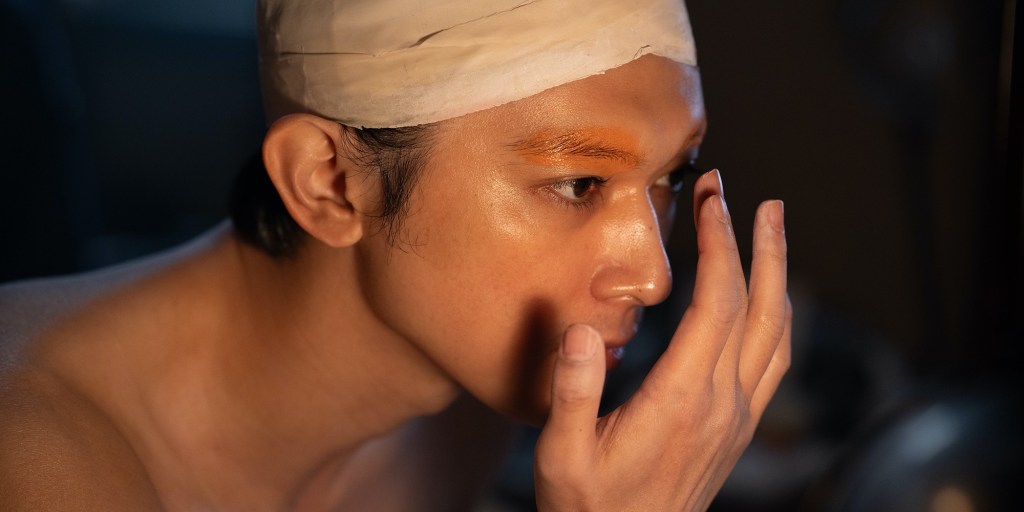
Kokuhō is a film that not only posits another art form as its muse but, through that method, highlights its own value as an art form. It is not uncommon for a film to explore another art form, and it isn’t the first to follow dance, specifically one bound by culture and tradition. However, it is quite the feat to develop a film that is nearly three hours long about kabuki dance, and make it one of the most exciting, enthralling cinematic experiences in recent memory. It is so deserving of the accolades, the high praise from critics, and the title of the highest-grossing love action film in Japan. It is a wonder to behold, as the dynamic storytelling not only sheds light on a sliver of Japanese history but also is a transporting tale about a deep bond challenged by jealousy, betrayal, and heartache.
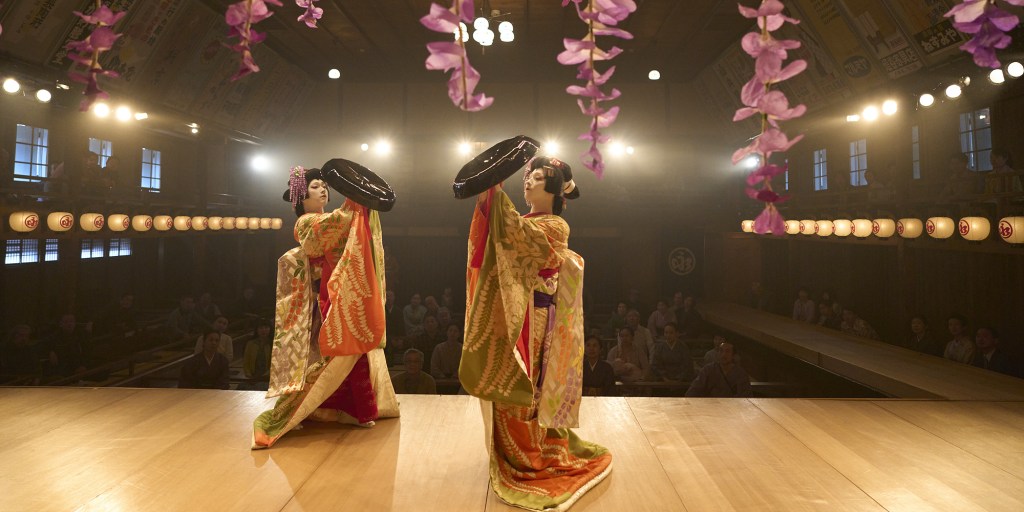
Visually, the film is stunning. What stands out the most is Lee Sang-il’s patience, the careful consideration of where the camera is, the positioning of his actors, the lighting, and the staging of every single shot and scene. The dance sequences in particular are enticing, but what makes Kokuhō so special is that we aren’t just waiting for these sequences, because each moment is crafted with the same level of consideration. Ultimately, the film boldly illustrates the metaphorical dance between the choices we make and destiny. The push and pull of desire and duty.
Narratively, the film is as delicate and impactful as the visuals. Simply put, the film is incredibly satisfying; there is no room for debate or interpretation. The writing is solid, the themes fully realized, the characters fleshed out, and the culture and history understood. Those who wish to debate the length of the film will need to stand down for this one. The story unfolds just as it should, with each line of dialogue, action, and even placed precisely where it needs to be in our lead character arc. It’s a complete journey, one that has you holding your breath until the very last moments.
Satoko Okudera’s screenplay is incredible, effectively summarizing Shuichi Yoshida’s 800+ page novel of the same name. Between Okudera’s screenplay and Lee’s directing, I can’t decide on who struggled more in condensing Yoshida’s massive novel to an acceptable length for film. The result of their combined efforts alongside editor Tsuyoshi Imai, cinematographer Sofian El Fani and composer Marihiko Hara is an emotionally explosive, arresting, and vibrant epic. Kokuhō offers the audience so much more than just a story about a young boy’s ambition to be a great kabuki actor.
The performances are spectacular, particularly from the main duo, Kikuo and Shunsuke. The two characters effectively embody the story’s duality. Kikuo, as the “outsider,” is disciplined and determined, drawn into the world of kabuki by falling in love with it. Shunsuke is the opposite in many ways, but equally engaged, but with Shunsuke being a part of his lineage, he is more relaxed, freer due to the inevitability of his ascension. Of course, there is drama when Kikuo becomes Shunsuke’s father’s prodigy, and the age-old battle of blood success versus the outsider becomes the main framework in which this story unfolds. Through hard work and laughter, the two form a bond that is both tumultuous and destined.
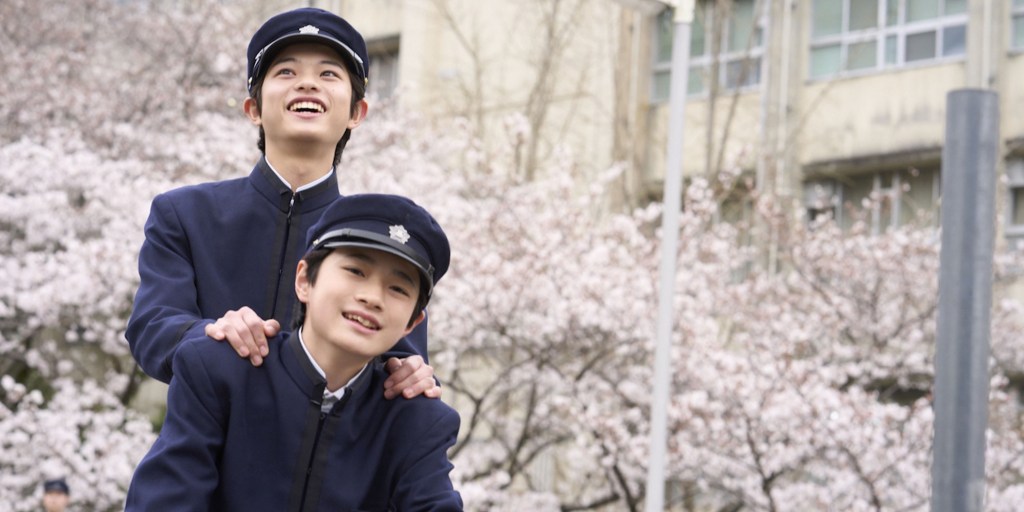
There are layers to this relationship that starts off as a simple tale of two boys being rivals in the eyes of their guardians, but they quickly realize they are fated to be a pair. Constantly at odds and in sync. This dynamic could not have been realized without the spectacular work of Sōya Kurokawa and Keitatsu Koshiyama, as well as that of the younger Ryo Yoshizawa and Ryusei Yokohama. The two lay the foundation for a decades-long bond tested by betrayal, hardship, success, and love. Yoshizawa and Yokohama, as the older versions, are exquisite in every way, performing a delicate dance as their characters dedicate themselves to kabuki.
There was a moment when Kikuo watched a kabuki show with awe, struck by the beauty and expertise of the performer before him. That feeling, the sense of aspiration, joy, and intense admiration, is what we as the audience of Kokuhō feel as we watch this nearly three-hour epic. The highs and lows are deeply felt, the emotions raw and hard-hitting, the story equal parts honest and dramatic. Epic is often reserved for massive spectacles with explosions and wide-sweeping landscapes, but the word is not limited to those kinds of cinematic experiences. Kokuhō is a cinematic experience that is unlike any other that explores a similar topic. Lee Sang-il uses the art of cinema to explore the art of kabuki dance, using both to shine a spotlight on each other.





 Muses of Media
Leave a comment