
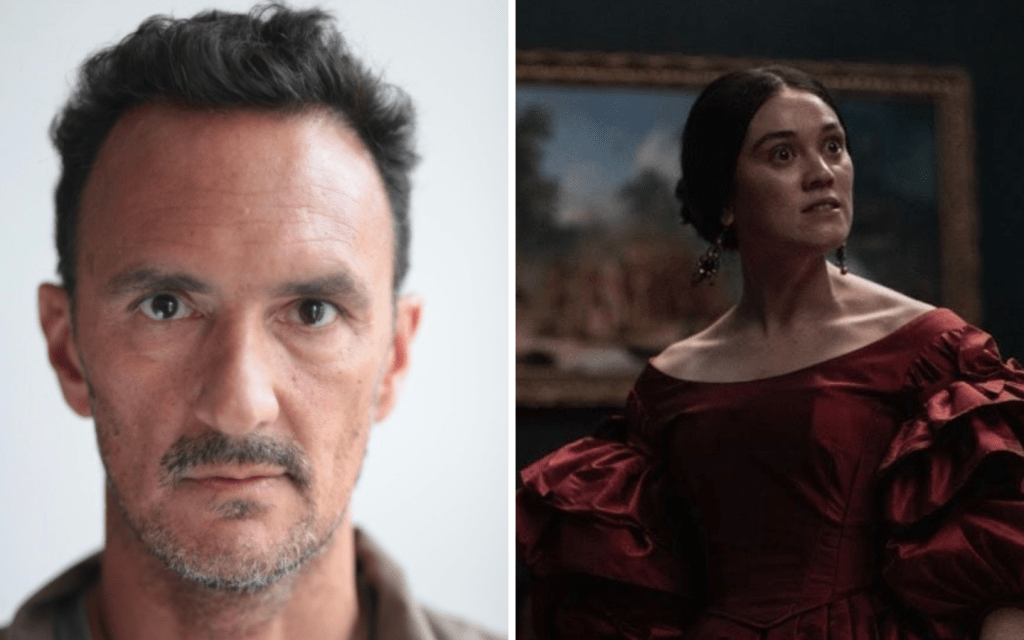
Set in 1859, Mārama follows Mary (Ariāna Osborne), a young Māori woman summoned from Aotearoa (New Zealand) to England by Thomas Boyd, who promises to reveal her family history. After the 73-day journey, Mary arrives in Whitby and quickly learns that nothing is as it seems, especially as it pertains to wealthy landowner Nathaniel Cole (Toby Stephens).
Written and directed by Taratoa Stappard, Mārama is a gothic horror unlike any other, with brilliant performances by the entire cast.
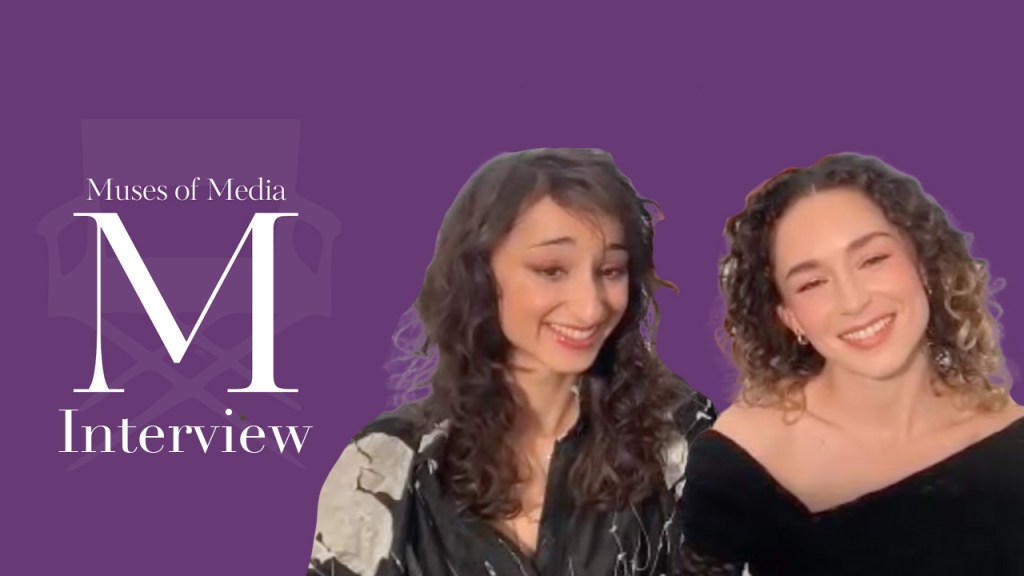
I was fortunate to be able to have some time to chat with Stappard and Osborne about the film ahead of its premiere at the Toronto International Film Festival (TIFF). The dynamic duo spoke to me about how Mārama came to be, what it was like working together throughout the shooting of the movie, their personal experiences that helped form the story of their performances, and much more.
Read the full interview with Taratoa Stappard and Ariāna Osborne below:
The concept behind Mārama is so interesting, especially the choice to tell this story in the form of gothic horror. Can you tell me a little bit about your journey in creating the film to having its world premiere here at the Toronto International Film Festival?
Taratoa Stappard: It’s been, I guess, a four to five year journey. I’ve been very fortunate to be able to benefit from different master classes, workshops, courses. There’s a proverb that is used repeatedly in the film – a whakataukī is the Māori word for that – which is “Ka mua, ka muri” and it means walking backwards into your future. And there are various iterations I came to understand with different Indigenous groups of the same concept, basically being aware of your past. To allow yourself to move forward into into your future. That’s how I would sum up the last five years of my writing. So I’ve been looking backwards at my at my ancestors and their experiences and researching as much as I as I could. In order to move forward with. sequential iterations of the draft.
But always, always with advice, guidance, and steer of mostly Wahine Māori, mostly Māori women. Some men, but certainly Māori specialists in whatever field I was needing some information or some confirmation around. I was very very aware of the fact that I have no real lived experience as a Māori in Aotearoa, New Zealand. I’ve lived most of my life outside of New Zealand. So, I needed to be very careful about how I constructed the story, and I guess that was part of the reason why I wanted to tell it to set back in, you know, in the 1800s. Because for me to tell something, to try and tell a story about contemporary NewZealand seems disingenuous. I don’t have that lived experience. So, that’s been the journey. It’s been a very fortunate one, I think, because of different stages of support that I’ve had in writing the script.
Casting is always such an important element of a film and everyone in Mārama is so phenomenal. What was it like for you during the casting process, and how did you know that Ariāna would be the one to portray Mary in the movie?
Stappard: I had a great casting director, a Māori woman named Christina Asher, who I worked with on my last short film. So we had a good working relationship, and I shared the script with Christina as early as I could. It was clear to Christina immediately, to anyone I suppose, who read this central character and played two characters that the role needed to be cast very carefully. So That decision had to be made carefully. We had to get it right.
The whole film ultimately stands and falls on on Ariāna’s shoulders as as that character. We went to shoot for 24 days, I think. I only can speak for this, but for 23 of them, it’s a lot of pressure. It’s an emotionally charged roler,both of them. And I was very happy that Ariāna was available, and took the role.
Regarding the script for Mārama, what was it about the story and the character that really drew you in and made you want to take part in the film?
Ariāna Osborne: I mean, it was unique to the world, but to New Zealand. Writing and media, especially, we’ve got a particular kind of nature television there and comedy. But the characters in this one, I hadn’t read a character like that before or a storyline like that. So I thought that it was a really interesting role.
What was it like for you playing the dual roles in Mārama and how did you prepare for them?
Osborne: For the most part, 95 percent of my filming was as Mārama (Mary), so I prepped really instensely for that role. And I think we did Amelia for two days, and not even the whole day – it was like three scenes, in such short moments. I think she had maybe 30 seconds of screen time. So I think I just wanted to make sure they felt like two different characters. But I definitely spent a lot more time with Mārama.
There are a lot of great scenes in the movie that you share with Umi Myers and Evelyn Towersey. What was it like sharing those moments with them and creating that sisterhood?
Osborne: Oh, amazing! I spent a lot of the time alone, and I filmed a lot by myself or with older men, who were lovely. But it was so nice to get to connect with other women on the film, and I mean, that’s who the story is for, you know? And so, it was nice to get to do scenes with other Wahine women. With Evelyn, I felt like I developed a really special bond with her. She’s such a sweetie and she’s so professional. She’s wise beyond her years, which I think is maybe typical for child actors. But yeah, she was lovely.
Stappard: I’m glad you enjoyed working with Evelyn because it was definitely mutual. She’s a force to be reckoned with. There are some actors that will show up and they won’t know their lines. Evely never did that, and she had quite a few lines. There was one long one – the sung prayer that she delivers by the grave. She must have done that four times for us, just the performance, and each time it was perfect. She was really well-prepared and a charming kid.
Was there anything new that you learned about yourselves on work level as an actor or writer-director or on personal level during your time working on Mārama?
Osborne: I learned on the film that this was the most that I’ve ever learned Māori – te reo Māori. I am Māori, but I didn’t grow up speaking it. So, I would say that this is where I learned to speak it more than I had before. Yeah, so that would be a new thing that I learned.
Stappard: I’m also Māori, but I’ve spent most of my life in the UK and in London. But my mother is Māori and she told me stories that informed or inspired the ideas that are bubbling beneath the script itself. But I suppose I’ve been slowly, slowly gaining a little bit more confidence around my Māori identity over the four years-ish of writing the script.
Then when it came to shooting the film and they knew we were going to be shooting in England, and then that became logistically and financially impossible. We needed the finances from somewhere, and it came from New Zealand, so we had to shoot in New Zealand. And, actually, I think it worked in our favour because it meant shooting with a virtually all New Zealand group, many of whom were Māori. So the crew was very Māori, the cast was obviously Māori, and there we were, shooting in Aotearoa in Tāmaki Makaurau (Auckland). And it just brought my physically, as well as mentally closer to my Māori identity and my Māori self.
Mārama is often very restrained throughout the film, but there are moments where she unleashes and not only is it acted beautifully but it must have felt great to also tap into all those other parts of the character.
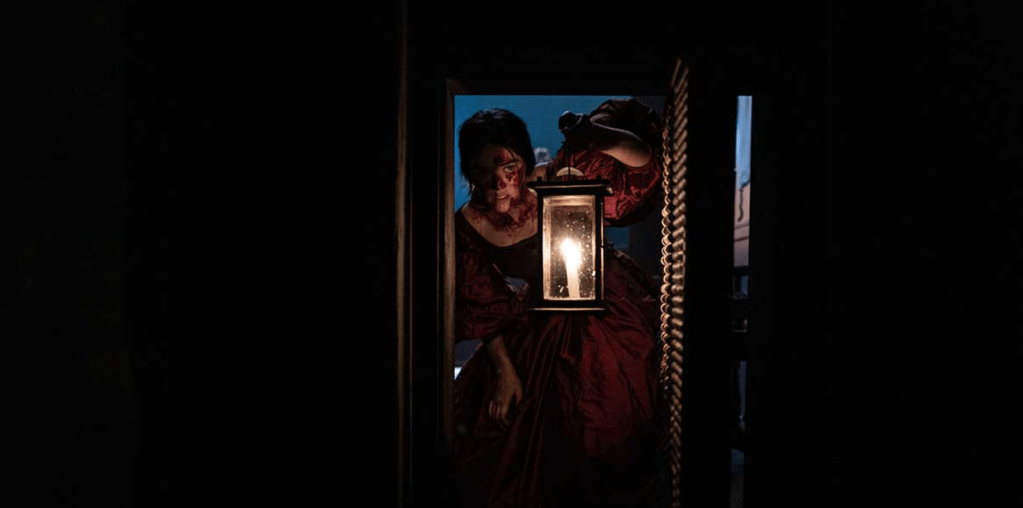
Osborne: I’d say the stunt where I get to go up against Toby Stephens’ Nathaniel was so fun. It was nice to mix it up a bit. I mean, any time I had blood on my face was my favourite look. It was so good. She’s so restrained the whole time, but there’s also so much going on underneath. It was nice by the end of the film to be able to physicalize some of that rage and discomfort.

Mārama is filled with so many fantastic scenes, but were there any in particular that were your favourites?
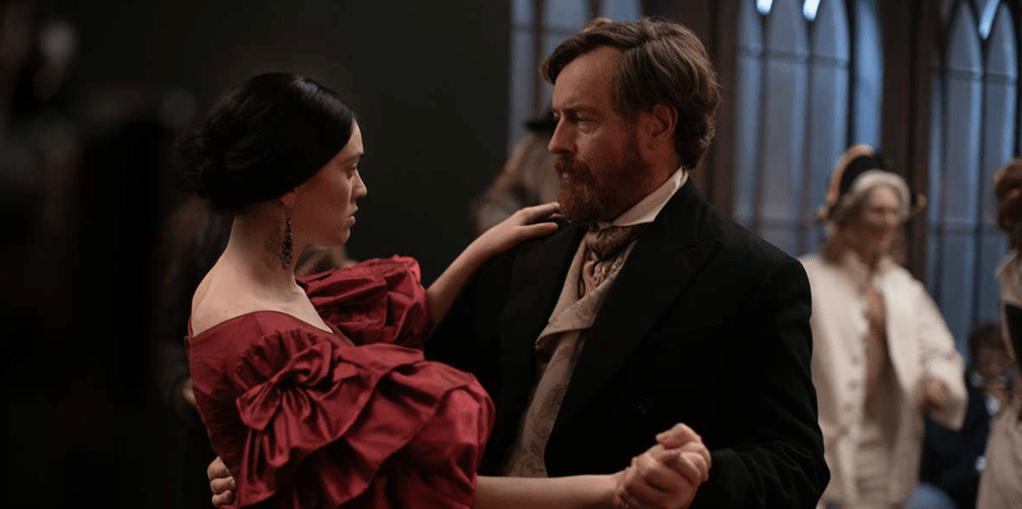
Stappard: I will say that the one I was the most nervous about and that was probably the most challenging was the party scene. It was the day that there were 25 extras, or whatever it was, all in costume, all in makeup and hair Logistically, it felt like a big deal. It’s the biggest sort of scene that I’d done. It had been my debut feature, and I’d never done a party scene like that before, so I was kind of nervous going into that. Errol Shand, who played Jack Fenton, brought a lot of energy to his horrific performance, and I felt like that lifted th crowd. So, it was exciting watching that happen.
Probably, by far, my favourite moment was Mārama going to perform a massive, powerful, confronting Haka. I think that was there on everyone’s mind, that we’re leading to this. It was definitely there in my mind. So, partly, I was anxious that I give Ariāna the right kind of space for her to do that Haka justice, and I was super excited. In the end, it didn’t take any direction from me because it was just me staying out of Ariāna’s way. And you perfomed it absolutely beautifully. There were tears in my eyes.
Osborne: My favourite scene to shoot was with the arrow. I’m sounding so violent this morning [laughs]. But it was my favourite scene to do. We got to do a bit of practice with the stunt and we worked on it, and we shifted it around quite a bit. So the whole shoot I was really excited about doing that. I think it was meant to be filmed in the second week, and then it ended up being on one of the last days. That scene was just really fun to do, mostly because it was so physical. I think all the physical stuff is really exciting. It’s nice to have a different kind of challenge because everything else is so emotionally charged. It’s nice to play with a little more physicality and technical kind of work.
 Muses of Media
Leave a comment