
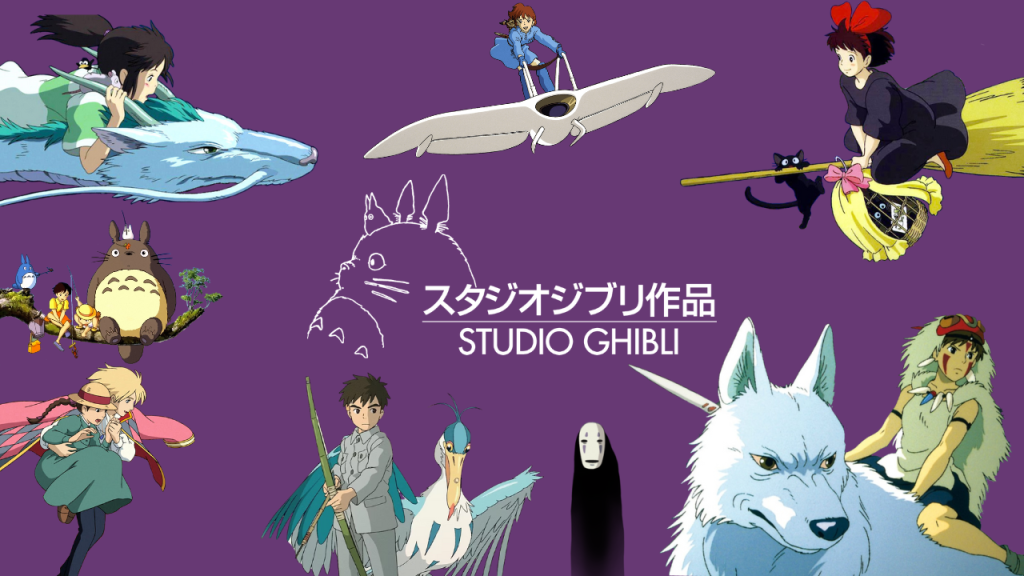
Studio Ghibli is one of, if not the most celebrated and highly regarded, animation houses worldwide. With a modest crew and steady production flow since its conception in 1985, Studio Ghibli became a fixture in cinema. Each project is highly anticipated and almost always regarded highly. Their animation style is distinctive and widely recognized. Their mascot, Totoro, is an icon proudly displayed on their merchandise worldwide. Their directors, especially Hayao Miyazaki, are known by name and highly regarded.
Their filmography is varied and ambitious, with minimal interference from outside influences. A studio that has earned this level of reverence and love is not unique, but it is special in the case of the Japanese studio. The studio, celebrating its 40th anniversary this year, has produced and released nearly 25 feature-length films, a few television specials, and short films. Almost every project has earned critical praise and accolades and has been record-shatteringly successful.
With all this in mind, how can anyone properly ascertain the most accurate list of Studio Ghibli’s best to worst films? Since it is a subjective endeavour, it is tough to rank the studio from best to worst, so here I go with my perfunctory ranking of every Studio Ghibli project (not including their shorts and television series), combining my objective opinions and subjective perspective.
Full disclosure: The studio produces some objectively bad projects, but even those have their fans. However, Studio Ghibli aficionados and critics alike generally accept that most projects are of the highest quality. Studio Ghibli is simply that good.
Kiki’s Delivery Service [魔女の宅急便]
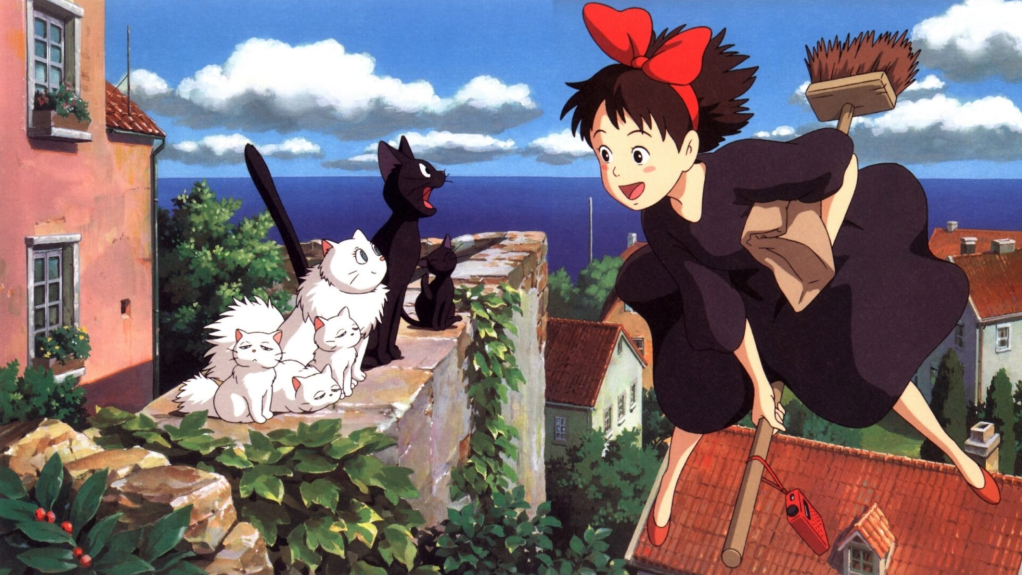
If Spirited Away is the quintessential Studio Ghibli film, Princess Mononoke is the rockstar and My Neighbor Totoro is the face, what makes Kiki’s Delivery Service? Well, in my honest opinion, it is the studio’s diamond. Truly, in every conceivable way, from every angle, Kiki’s Delivery Service shines bright. The story of Kiki the witch is a coming-of-age narrative, with a healthy dose of whimsy and magic, taking us on a sweet adventure of a young woman learning and growing. Sure, it isn’t the most epic spectacle in the studios line up, but it is perhaps the purest film that speaks to so many people. Many who watch this film, regardless of age, can relate to the struggle of finding their place and purpose in the world. We may not all have the powers of a witch, and adorable black cat by our side, but this heartwarming, emotionally resonant film perfectly encapsulates the most basic of humanity which all will enjoy.
Spirited Away [千と千尋の神隠し]
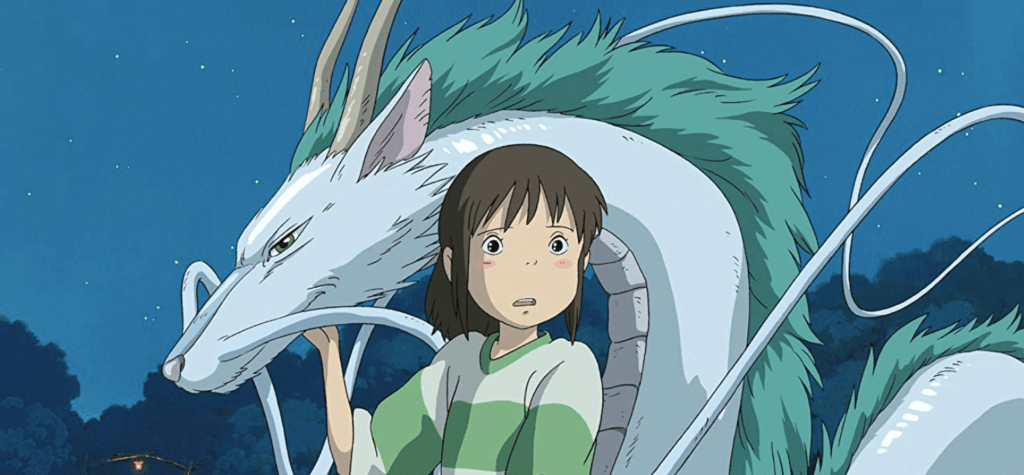
Spirited Away is the quintessential Studio Ghibli film. While the titular Tororo became the face of the studio, the film that is perhaps the most referenced and acknowledged as bringing people to the studio’s filmography is Spirited Away. Its layered narrative addresses a wide range of themes and ideals that the studio has been honing since its inception in the mid-80s. For nearly 20 years the film held the record for the highest grossing film in Japanese history, and for good reason. The film is a wondrous spectacle, filled with stunning and shocking imagery, imaginative world building, empathetic characters, and produnf messaging. For anyone curious or new to animation, Spirited Away is by far the best entry point for those wanting to dive into Studio Ghibli works, because it perfectly distills the studios’ overall mission, Miyazaki’s artistic inclinations and is just a blast from beginning to end. An iconic film that has stood the test of time.
Princess Mononoke [もののけ姫]
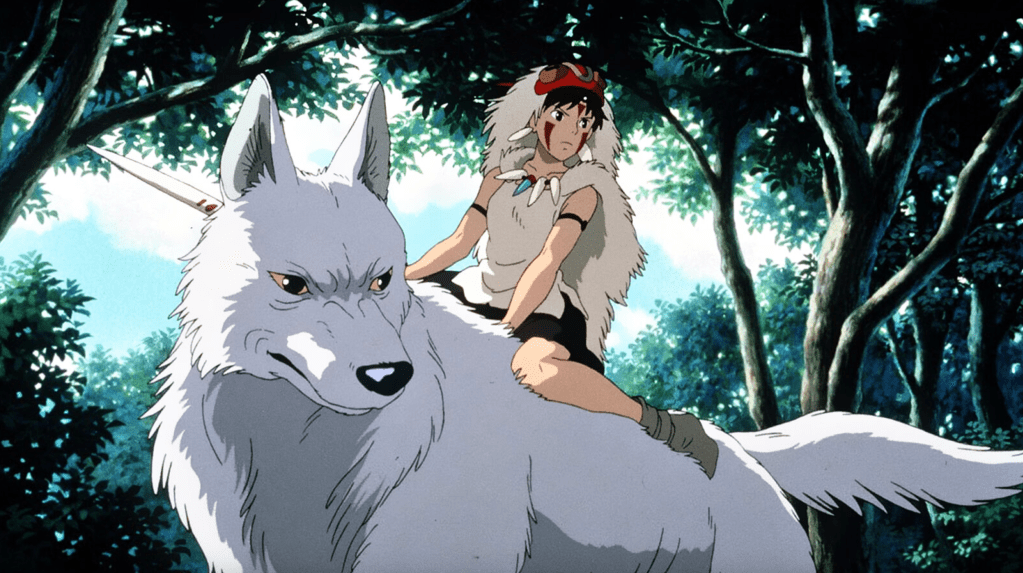
While the majority of Studio Ghibli films are well-received and critically acclaimed, Princess Mononoke is the standout among them. Remember the cool girl speech from David Fincher’s Gone Girl? Well, when you ask a cool girl what her favourite animated film is, the answer is almost always Princess Mononoke. For the boys who reject Disney princess movies because they are too girly, but want to telegraph their “feminism,” they claim Princess Mononoke is their fave. However, despite questionable motivations for liking this film, Princess Mononoke is an excellent film. The film is a first for many reasons, from Miyazaki’s innovative animation technique to its thought-provoking subjects. Miyazaki underwent a journey to bring this film to life. Princess Mononoke is the fiercest display of Studio Ghibli’s environmentalist and feminist ideals, with beautifully crafted characters, deeply moving emotional sequences, incredible action and a truly impactful story. Though featuring frightening scenes for younger audiences, the film is a vital film that all will find enjoyable and moving.
The Boy and the Heron [君たちはどう生きるか]
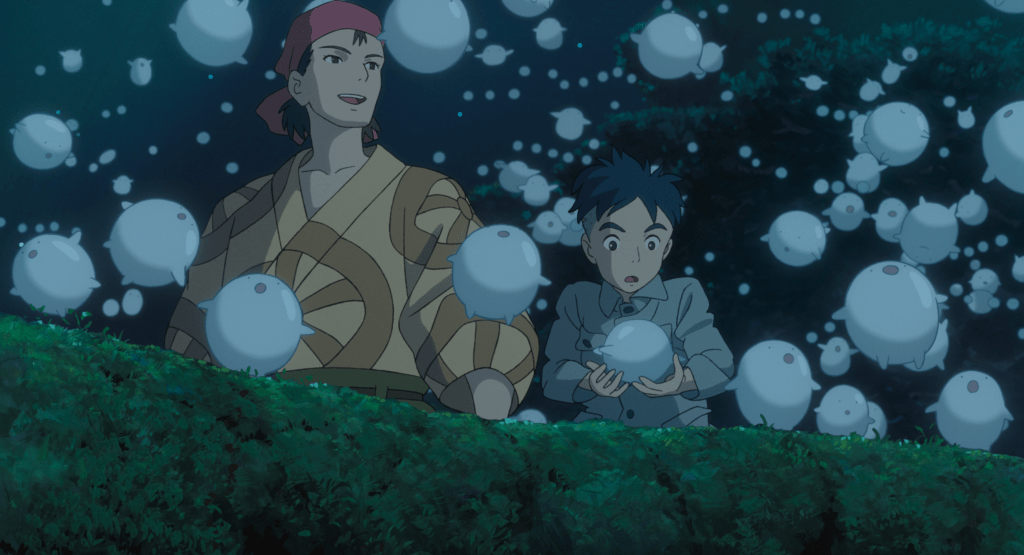
The most recent project from Miyazaki is a culmination of the many themes and characterizations from Miyazaki’s career. As this is the “final” film from the master of animation, the expectations were incredibly high, and well, Miyazaki delivered. The fantastical adaptation of Genzaburō Yoshino’s novel How Do You Live? is an intuitive, impassioned, and heartfelt tale. As a master of his craft, Miyazaki doesn’t hold back with a spectacle that is imbued with complex and mature themes about loneliness and loss. It is as imaginative and ambitious as his previous films, but incredibly more personal than any other. As the credits roll on Mahito’s story, the audience is left with a strong impression that we finally know Miyazaki.
Only Yesterday [おもひでぽろぽろ]

Growing up, I always felt reassured and comforted by Studio Ghibli films. So many of their protagonists were my age, going through the complicated and sometimes messy reality of being a naive, innocent young human. Sometimes their existential crisis came in the form of great battles against evil, or frightening ordeals with spirits, other times, they dealt with more mundane personal dramas that in hindsight feel so small and irrelevant. Then I watched Only Yesterday. At first, I didn’t quite get it because I was a kid, but now that I am older, I appreciate it so much more. The film explores nostalgia, the process of discovering new aspects of oneself through remembering the past, and the joy of appreciating the little things that once seemed grand and significant. Our protagonist is on both a literal and metaphorical trip down memory lane, and as she does, she finds assurance in living a life that is authentic to herself. The animation style carries the familiar Studio Ghibli aesthetic, but there is a hint of realism in the characterizations that makes this story’s themes stand out more.
The Tale of the Princess Kaguya [かぐや姫の物語]
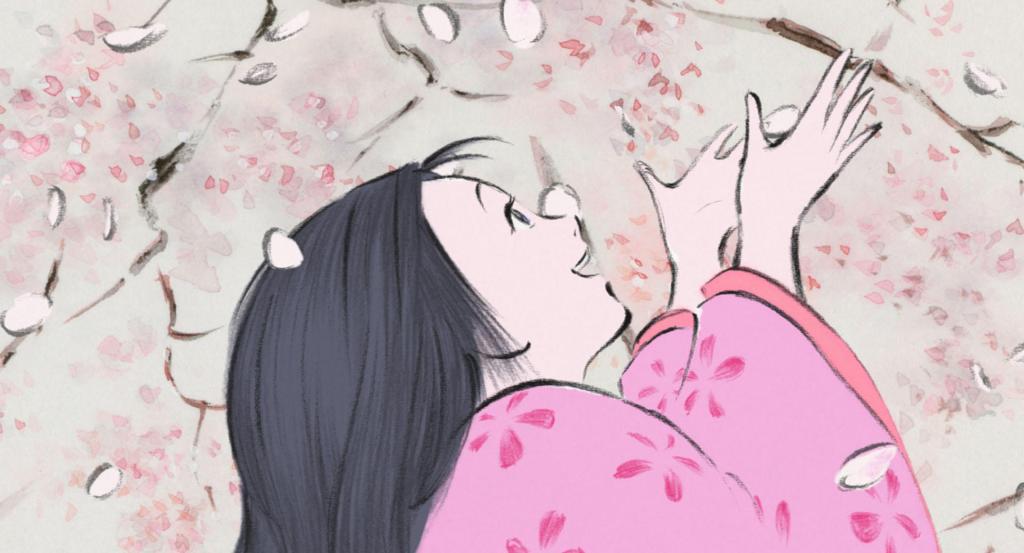
It is always so exciting when Studio Ghibli dabbles with different animation styles. In the case of The Tale of the Princess Kaguya, Isao Takahata took to a stylization that evokes the artistry of ancient Japan. The watercolour animation style was perfect for the historical fantasy, an adaptation of the 10th-century tale. Takahata aimed to evoke an emotional connection in the audience through the animation style, and he succeeded, as the film presents an engaging and impactful story that explores resonating feminist themes. The animation is delicate yet holds an incredible emotional weight as the story dives into the depths of the personal story of our titular character. Beauty in all its iterations is a central theme of the narrative and the execution of the film. Takahata’s efforts created a refined, timeless work that stands shoulder to shoulder with Studio Ghibli’s most significant works, but is a uniquely special project that has no equal in the studio’s history. Sadly, this would be the director’s final film, a bittersweet parting gift that cements his legacy.
Whisper of the Heart [耳をすませば]

Much like Kiki’s Delivery Service, Whisper of the Heart follows a young, ambitious girl who aspires to make something of herself and works very hard, Shizuku and Kiki are kindred spirits. For that reason, I believe the two films work in tandem as an excellent double feature. Whisper of the Heart excels at crafting a narrative about creativity and imagination—a love letter to those who put their dreams and hopes onto paper. At the same time, Whisper of the Heart has perhaps the sweetest of love stories; it is pure and sincere. Yoshifumi Kondo stepped into the director’s chair for the first time with this production, with hopes of becoming a successor to Miyazaki and Takahata. Whisper of the Heart had everything you would expect and want from a Studio Ghibli – it is a meaningful tale full of whimsy, joy, a love for creativity, and a talking cat. What more could one want or need?
The Cat Returns [猫の恩返し]
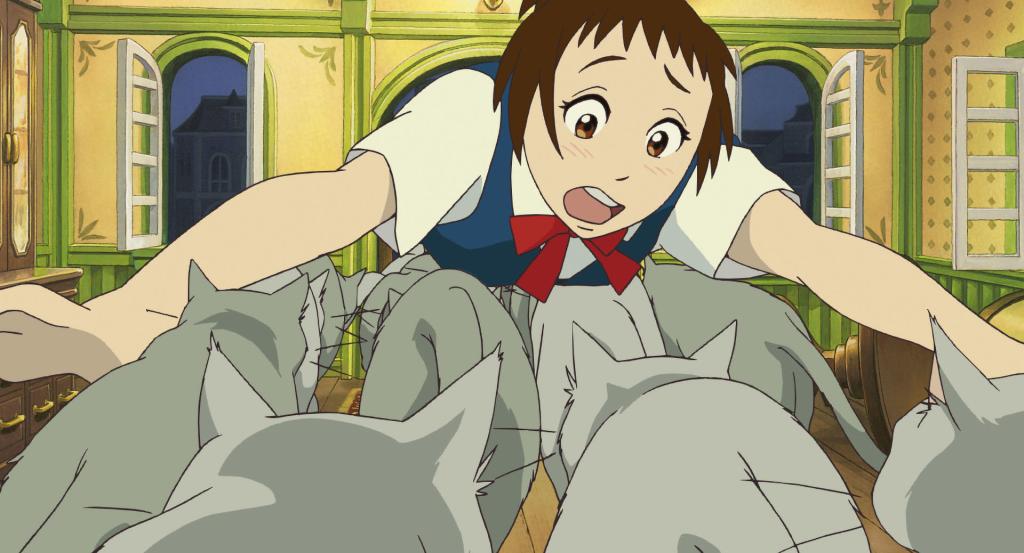
Yes, I did say that Kiki’s Delivery Service and Whisper of the Heart are a great double feature, but the true partner of Whisper of the Heart is The Cat Returns, the only spin-off the studio has ever produced. While it is not outright canon, The Cat Returns is a fantasy story likely written by Whisper of the Heart’s protagonist, Shizuku. The film is vibrant, eccentric and utterly charming. An imaginative tale that reads like something someone would have dreamed up when they were a young, hopeful and ambitious writer. Even the animation style reflects this, exuding an exuberant and youthful energy befitting of its inspiration.
Howl’s Moving Castle [ハウルの動く城]
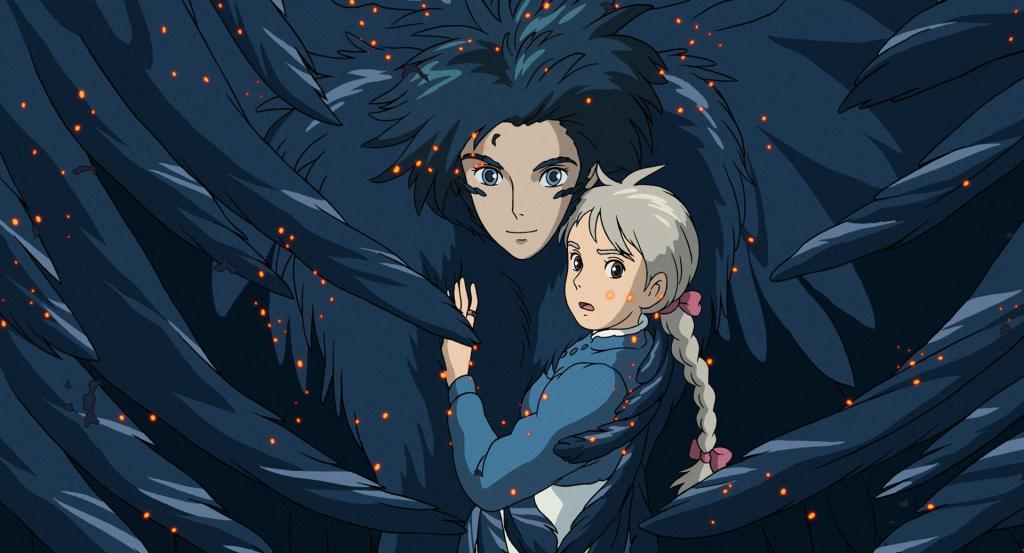
When Hayao Miyazaki feels compelled to express a strong emotion within his art, know that you will be getting an extremely entertaining, complex, passionate and beautiful picture. Howl’s Moving Castle, adapted from the novel of the same name by Diana Wynne Jones, was inspired by Miyazaki’s opposition to the US’s invasion of Iraq. As a pacifist, such a world-changing action had a profound impact on him. Set in a fantasy world, Howl’s Moving Castle is effectively an actual anti-war film that maintains the message that war is a destructive force that we should avoid. Meanwhile, because he is Miyazaki, he layered the story with simple feminist ideals and themes around aging and compassion, crafting characters that lead with kindness and generosity. These expressions of pure, innocent feelings are ultimately the most excellent tools against war, and Miyazaki beautifully illustrates the ideals that drive him and his purpose.
Grave of the Fireflies [火垂るの墓]
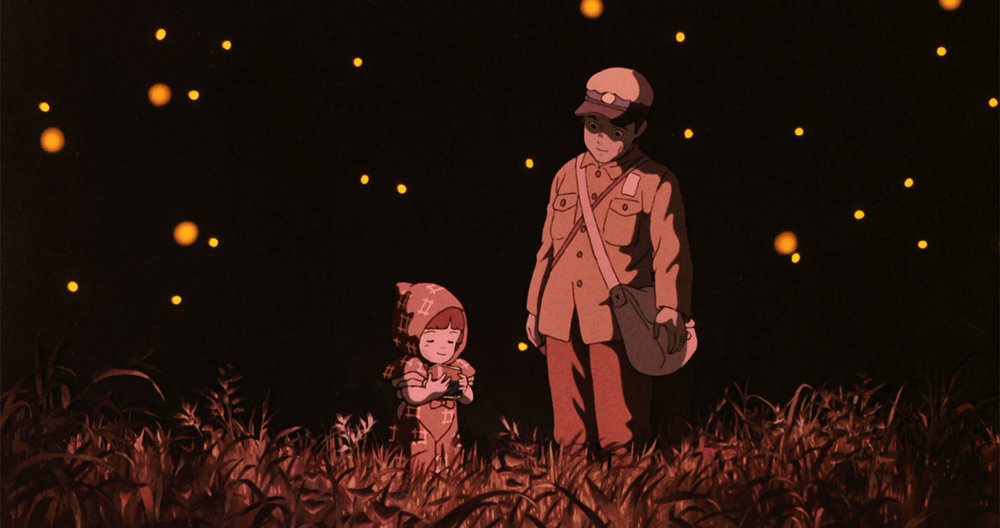
I would love to be a fly on the wall while Isao Takahata and Hayao Miyazaki were cooking up Grave of the Fireflies and My Neighbour Totoro. The two films starkly contrasted as they told the stories of a set of siblings during and after war, with one leaning to the harsh reality of war and the other adopting a fantastical style to tell a heartwarming story. Grave of the Fireflies, Takahata’s first film, is one of the most fantastic animated features ever to exist. It is a tragedy that has latched onto so many hearts and has stood the test of time as a film that isn’t explicitly anti-war but provokes strong, unyielding emotions about the cost of war. The images that Takahata and his animators put on screen are haunting. Still, the truly heartbreaking fact is that these images will be replicated in real life, over and over again. It is a vital cinematic work that demands to be viewed, not just recreationally, but within educational institutions. The film is harsh, it hurts the heart, but like so many Ghibli films, it is gentle, considerate and essential for younger audiences to experience.
My Neighbour Totoro [となりのトトロ]
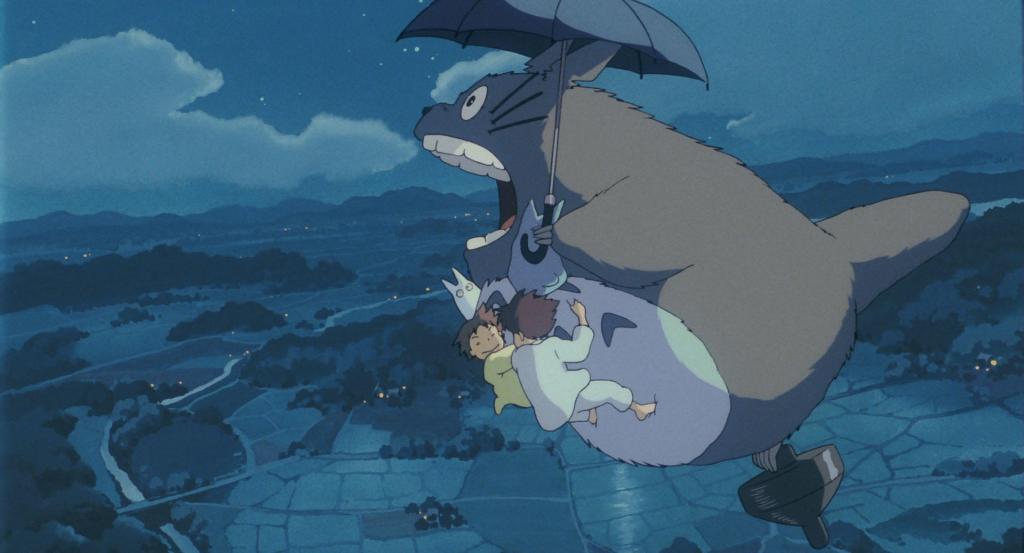
My Neighbour Totoro became an instant classic upon its release, as it was a pure expression of nostalgia, imagination and family values. A stark contrast to the realistic and tragic Grave of Fireflies, My Neighbour Totoro embraced a hopeful, fantastical reality, imbuing traditional Japanese Shintoism. The themes, artistry and charming tale captured so many hearts. My Neighbour Totoro showcased the pure, innocent spirit that Miyazaki has always treasured in his films, but also his impassioned environmentalist ideals. All in all, the film is incredibly memorable, featuring relatable and sweet characters and stunning visuals that solidified Studio Ghibli’s style.
The Wind Rises [風立ちぬ]

If The Wind Rises was actually Miyazaki’s final film, then it would have been a thrilling farewell. The film engaged with an emotionally charged narrative about the ethical and artistic responsibilities of an aeronautical engineer in pre-World War II Japan. Miyazaki works through his pacifist ideals in a way that only he can, with a sharp critical eye of the country he loves, empowered by art. The film follows a man grappling with ambition, passion, love, loss and responsibility. Miyazaki is exercising his creative freedom to highlight the parts of the fictionalized Jiro Horikoshi he relates to. Ultimately, The Wind Rises does have a hopeful and uplifting message, an impassioned cry for artistic freedom, and an empathetic push for pacifist ideals. There is joy, love and care captured within every frame, and a rush of excitement when Miyazaki lets loose. If this were the final film, then what we are given is Miyazaki’s final bid to push his audience to seize the moment, live life to the fullest, and to embrace the people love now, for later is never guaranteed. For a man who has experienced so much and shared a lot of it with us, The Wind Rises is his way of telling us that we have no more control over our fate than we do over the wind, but we must remain hopeful and persevere.
The Red Turtle [レッドタートル ある島の物語]
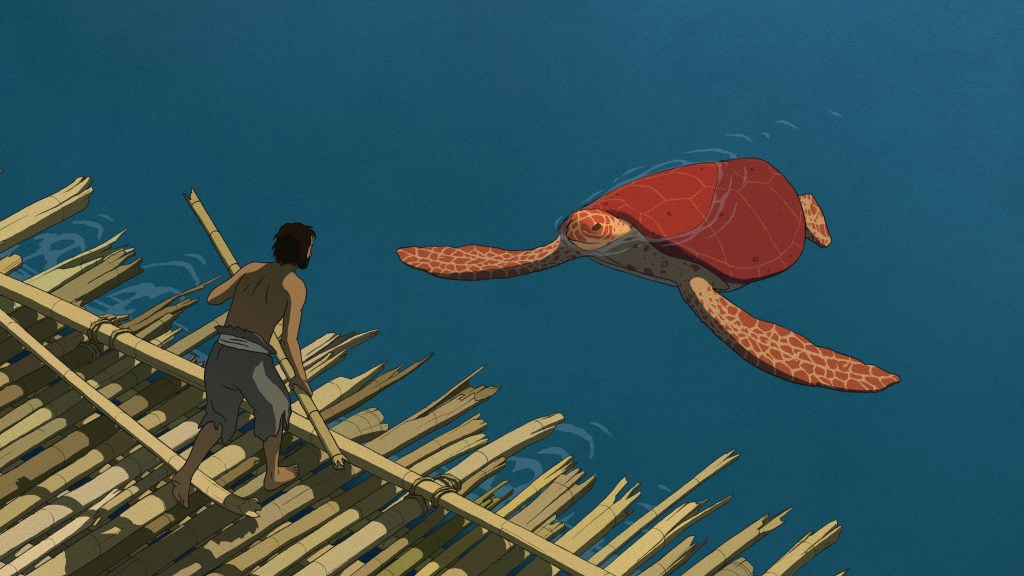
Studio Ghibli is no stranger to stepping outside Japan for inspiration and collaboration. The Red Turtle came to be when Vincent Maraval, co-founder of Wild Bunch, met Miyazaki and was shown Father and Daughter, an animated short from Michaël Dudok de Wit. Miyazaki informed Maraval that if Studio Ghibli were to produce a film with a non-Japanese animator, Dudok de Wit would be the ideal choice, and thus a bind was created. What these folks created was a wholesome, beautifully layered and visually stunning story that had not a single word uttered in it. The Red Turtle is excellent, but what makes it truly stand out is that it opens Studio Ghibli up to the potential to grow through collaborations. While Disney goes so far as to absorb their competition to gain a monopoly, Studio Ghibli has shown the beauty of collaboration and created a connection through the mutual love of animation.
*Nausicaä of the Valley of the Wind [風の谷のナウシカ]
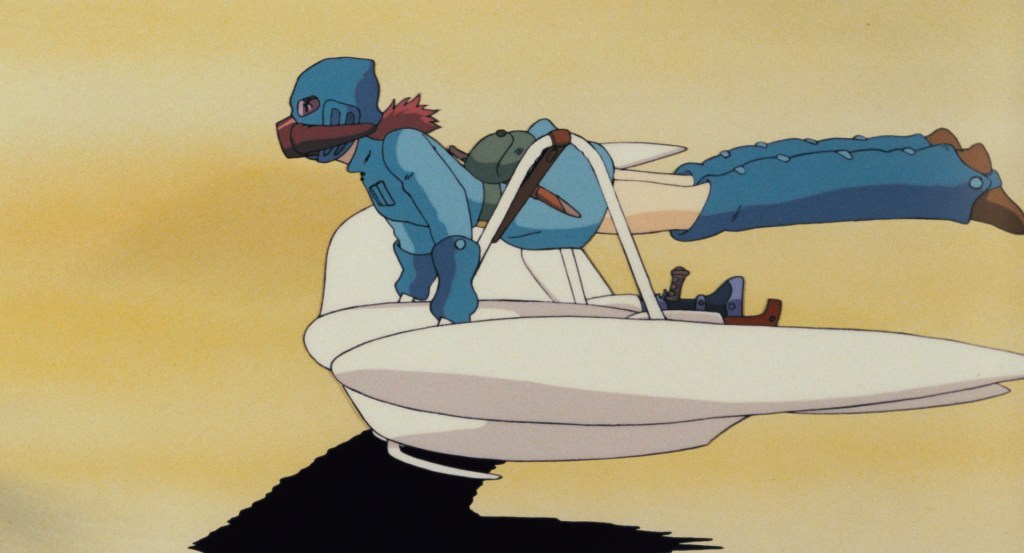
If Castle in the Sky is the film that laid the foundation for what Studio Ghibli would become, then Nausicaä of the Valley of the Wind is the precursor to Miyazaki’s pathos. Set in a futuristic world, the story follows a pacifist princess who has an affinity for flight and attempts to save a jungle. The film draws inspiration from various sources, including Ursula K. Le Guin’s Earthsea, which would later receive a “proper” adaptation. Miyazaki drew from both literary and real-life inspirations to craft a story that embodied his intentions and artistry—crafting a deeply enriched world held up by his profound sense of justice, peace and environmental ideals. It’s a charming film that tells the heroic journey of a brave young woman who stands up for her community and nature. The themes are integral to the animation style, as there is great reverence and appreciation for how art depicts the world we live in and the world we want to see.
Arrietty the Borrower [借りぐらしのアリエッティ]
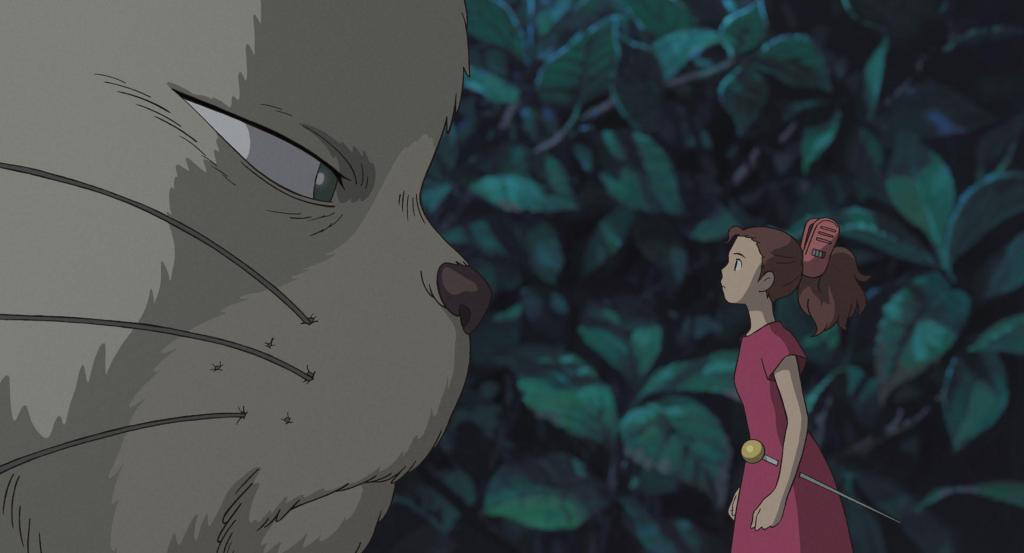
The Borrowers is one of the most adapted children’s stories, but leave it to Studio Ghibli to have the most imaginative and emotionally charged adaptation. Arrietty is the most child-friendly from the studio, but the ambition is not dialled down in the slightest. The animators are clearly having a great time creating the world of the Borrowers, capturing their perspective of the world beautifully. The film is visually epic, colourful and engaging. Furthermore, the film boasts one of the best scores in the studio’s history with Cécile Corbel breaking through as the first non-Japanese composer to work with the studio. The Celtic-inspired score is one of the many intentional decisions that make the project stand out amongst the many adaptations of the Mary Norton story, but also make it feel uniquely a Studio Ghibli film.
Castle in the Sky [天空の城ラピュタ]
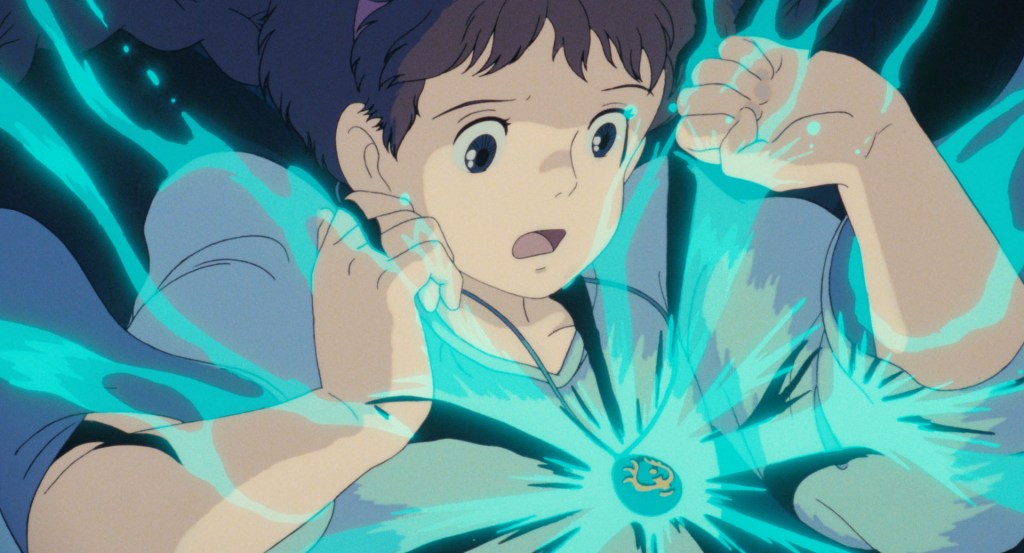
Environmentalism has been a central tenet of Studio Ghibli from the very beginning, and it started with Castle in the Sky. The film doesn’t rank high on this list because it was merely the beginning of greatness. Many of the ecological themes, characterizations, and imaginative world-building that made Castle in the Sky an influential piece of work would be improved upon in later projects. The film is great nonetheless, the steampunk aesthetic, the bold narrative choices and the endearing characters feel familiar now, but were groundbreaking for 1986. Honestly, this film could easily rank higher for all of these reasons and so much more. For example, Castle in the Sky is technically the first Studio Ghibli film to engage with Miyazaki’s love of flight, a consistent presence in his movies up until his faux-final film, which followed an aeronautical engineer. You gotta love the consistency, and that ultimately makes Caste in the Sky great. It laid out the themes, characters, tropes and artistry that Studio Ghibli would consistently work and deliver on.
When Marnie Was There [思い出のマーニー]

This film is one of the very few within Studio Ghibli that flies under the radar, while being a rather significant turning point for the studio’s legacy. This was Makiko Futaki’s final film before she passed. Her contributions to Studio Ghibli were monumental, as was her relationship with Hayao Miyazaki, who held her in high regard. When Marnie Was There was also the final film from Hiromasa Yonebayashi at Studio Ghibli, as he would go on to found Studio Ponoc. As for the film itself, When Marnie Was There is propped up by all the central tenets of a successful Studio Ghibli film. A heartfelt, emotionally resonant story is told through expressive and engaging animation. Like many protagonists in the studios history, Anna suffers from loneliness and abandonment, her meeting with the mysterious Marnie sets her on a path of self discovery, The story is a touch quieter and simpler than the more fantastical films the studio is popular for, but it is no less evocative as what it enticed Yonebayashi to adapt this story by Joan G. Robinson was to craft something children of Japan would be encouraged by when they feel lonely and isolated.
My Neighbors the Yamadas [ホーホケキョとなりの山田くん]

It isn’t often that Studio Ghibli hits us with a cute slice-of-life comedy, but when they hit us with one, we know that it will be a joy to behold. My Neighbours the Yamadas is a fun detour from the usual aesthetic of the studio, with a comic strip style animation to tell the story of the Yamada family. The film is made up of vignettes following the lives of the average Japanese suburban family. There isn’t some epic fantasy adventure at the heart of it, just the quaint and quiet life of family life. Pleasant and tender, the film makes the mundane look spectacular.
Porco Rosso [紅の豚]
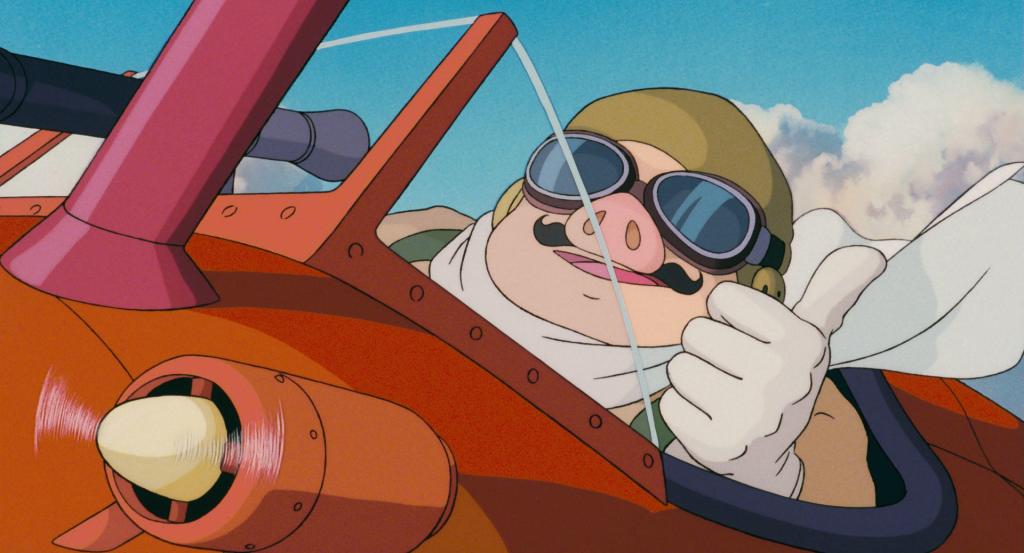
Aviation once again takes centre stage in a Miyazaki production. Porco Rosso is one of the more underappreciated films in Studio Ghibli’s catalogue, and for myself, the reason is I don’t really care much for anthropomorphic animals, or pigs specifically. The film is cute, though, a fun homage to classic wartime productions from Hollywood and Europe. There is a sense of light ribbing at American sensibilities, but overall it is just a fun time. It evokes the Hollywood classics from its visuals, old-fashioned language and characterizations, and to top it off, it has one of the more effective English-dub casts with Michael Keaton lending his voice to our titular character. The film’s rallying cry of “better a pig than a fascist” signifies the deeper, underlying themes that are indicative of the ideologies that motivate the studio and make them one of the more progressive powerhouses in cinematic history.
From Up on Poppy Hill [コクリコ坂から]

From Up On Poppy Hill is one of Studio Ghibli’s “youth” films, a project designed to follow the mundane, daily lives of a cast of young characters. There are mature, darker themes hidden in plain sight that make up the backdrop of the story, but ultimately, the film is a vehicle for nostalgia. A charming love story filled with sentimentality and period-accurate detailing that makes for a worthwhile experience. This is also a father-son production, and it’s exceedingly endearing, quaint and pure. It loses a few points for the incest fake-out…we could have done without it.
Pom Poko [平成狸合戦ぽんぽこ]
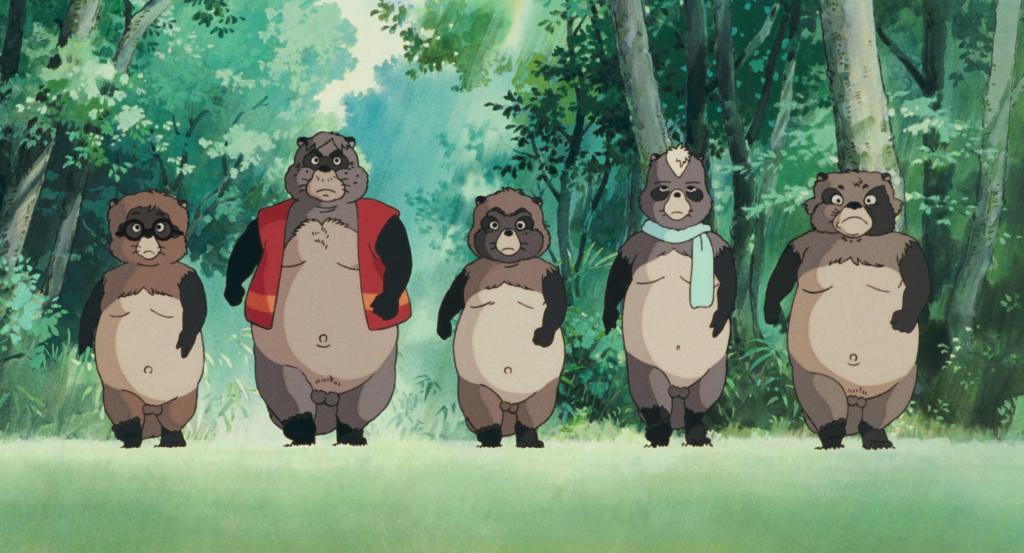
Again, we are back with the anthropomorphic animals, except this time they can transform into humans. Pom Poko follows a colony of tanuki, Japanese raccoon dogs, as they fight against deforestation. The film is cute, silly, and meaningful. But even a silly Studio Ghibli film knows how to pack a punch, and with Mr. Isao “I will traumatize you: Takahata at the helm, you know his interests go beyond just deforestation, with themes of religion, community and change all factoring into the story of the tanuki. Pom Poko is one of the more easily dismissed of the bunch, but for a studio that houses so many outstanding projects that evoke a myriad of emotions and generate excitement over their animation, Pom Poko tends to slide under the radar.
*Ocean Waves [海がきこえる]
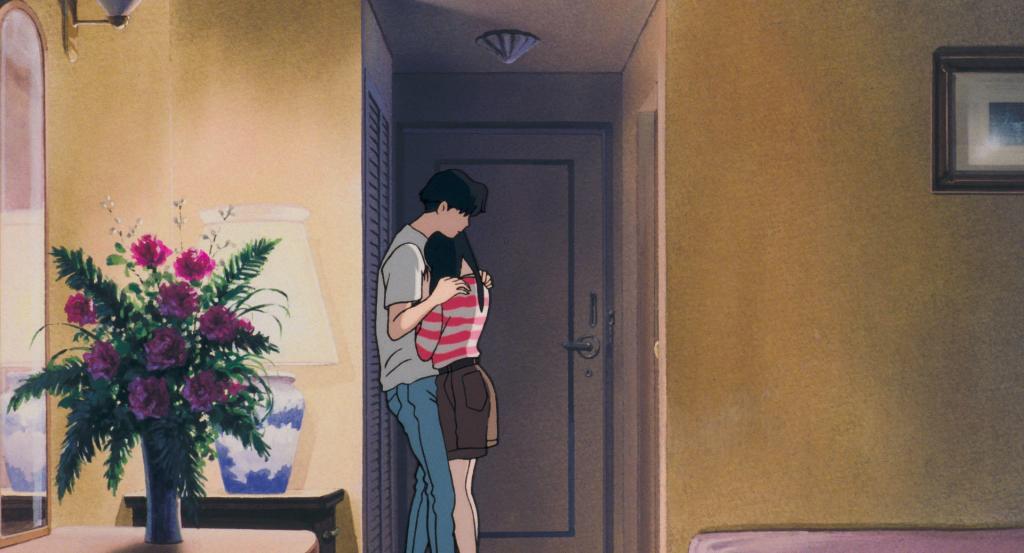
Ocean Waves is a coming-of-age television film produced by the studio to provide experience for its younger staff members. Since it was essentially an experiment, the film goes unnoticed when folks are discussing the best of Studio Ghibli. Ocean Waves is a sweet endeavour that helped develop the younger generation’s skills. It is simple, mature and generally well-rounded, telling a story about the messy, complicated journey to growing up. It’s a cute film that fits alongside From Up On Poppy Hill and Only Yesterday.
Tales from Earthsea [ゲド戦記]
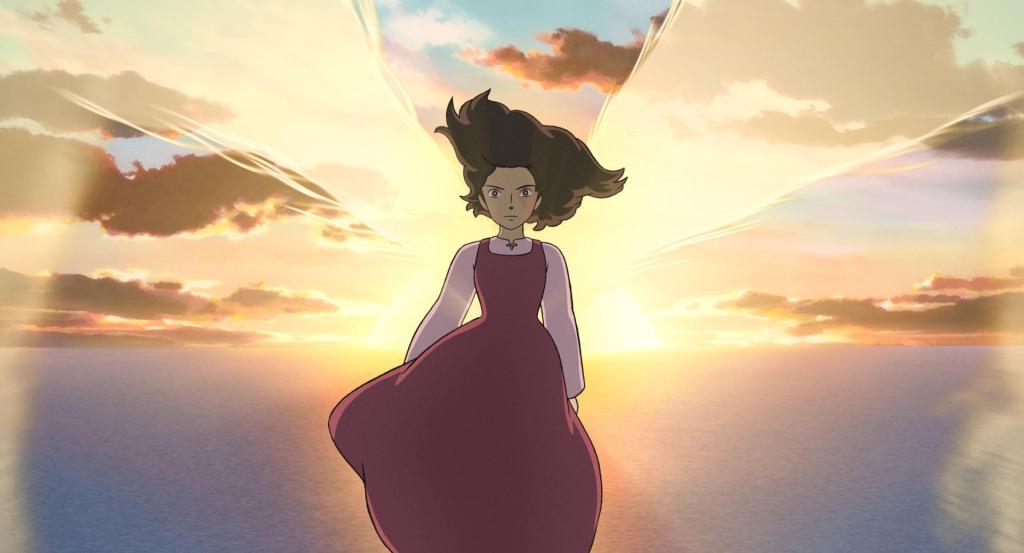
This adaptation of Ursula K. Le Guin’s Earthsea series is perhaps the only dark smudge in Studio Ghibli’s history. The epic fantasy marked the directorial debut of Goro Miyazaki. It was praised for the visuals and music; however, the narrative received mixed reviews. The chief complaints came from Le Guin herself, which alone drags the film lower because no matter the liberties taken in an adaptation, the creator of the original work should be somewhat happy with the result. The production was a mess with the elder Miyazaki not fulfilling Le Guin’s wishes by being the lead of the project, but he neglected his duties, and in the end, the response to the film reflected this. With that said, the film is beautiful, engaging, and sincere. The narrative is a bit shaky, but what makes Tales from Earthsea a lesser project is that the source material influences exist across the studio’s filmography and was done better elsewhere.
*Earwig and the Witch [アーヤと魔女]
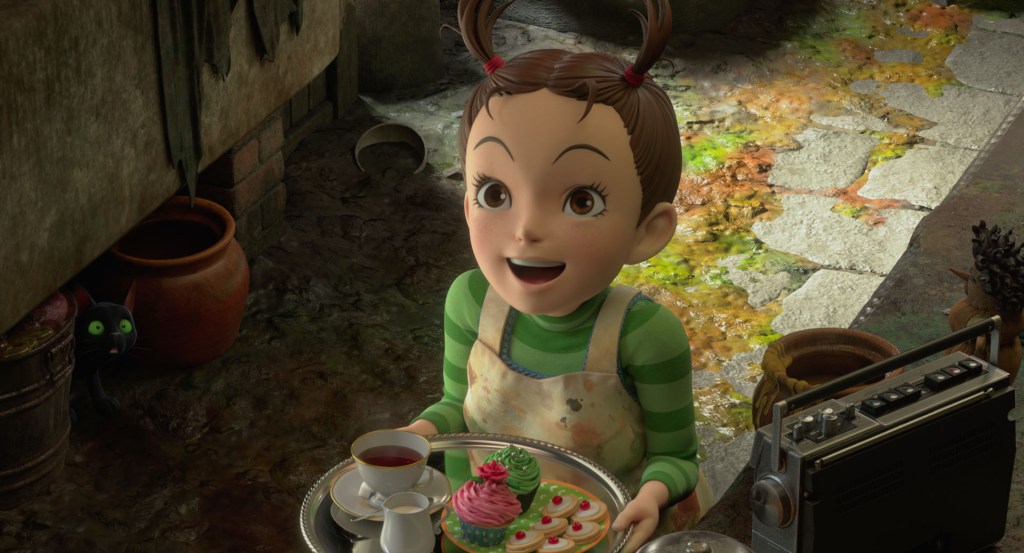
Studio Ghibli’s first whole 3D animated film, an endeavour that will likely not be replicated due to the strong reaction against it. The film is objectively bad, and it’s not entirely surprising that once again, the senior Miyazaki let his son run wild with little supervision. The animation style didn’t quite fit the classic Studio Ghibli aesthetic. Although the story is fun and entertaining, its lack of a solid foundation makes the animation a struggle to watch. Personally, I didn’t mind the film as much as others who claim it is lifeless, a soulless interpretation of a Studio Ghibli film. For me, the detour to 3D felt a bit short-sighted. Animation has overrun this method that sucks the life out of the artistry of animation, especially since Disney and Pixar have made it their primary aesthetic, which has every other animation house following. Studio Ghibli stood out due to their commitment to hand-drawn, 2D animation, but they’ve experimented before. This one didn’t work out, but the next one might.
Ponyo [崖の上のポニョ]
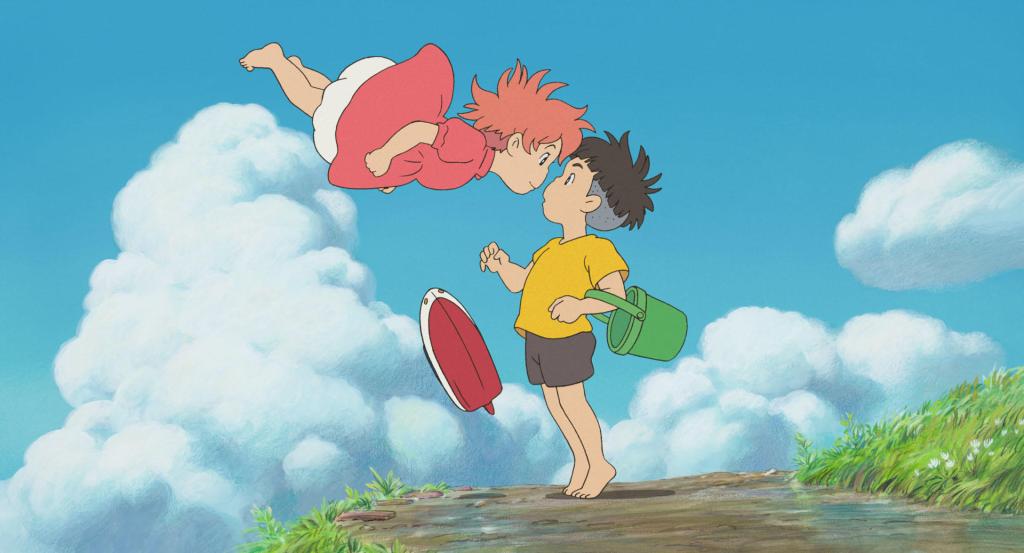
Ponyo probably ranks much higher on other people’s lists, but this isn’t their list, it’s mine. Honestly, this is my least favourite for frivolous reasons. It is not by any means any less visually stunning or entertaining than other Studio Ghibli films. It is perfectly designed for younger audiences to enjoy, yet has characteristics that appeal to everyone. However, the film just feels off, as if it was an obligation rather than an inspired choice by Miyazaki. Also, my perception of the film was utterly ruined by the English dub starring the siblings of the then-popular Disney Channel stars, the Jonas Brothers and Miley Cyrus. They weren’t even good.

 Muses of Media
Leave a comment